Making your own plush: 2D plush

Techniques, Uncategorized

I have spent the last six years obsessed with learning how to make patterns to sew my own dolls and soft toys, and I had spent the ten or so years prior to that learning how to make my own patterns for women’s clothing. The method I primarily use is called flat pattern drafting and it helps you make three dimensional, sculptural plush (like most of the stuffed animals that you might see in the stores). I will be offering trainings on this topic soon. However, I want to spend some time on some basic concepts that don’t really require this knowledge, and one of those is what I call 2D plush.

What are 2D plush (I started using this term a long time ago but recently realized some others do, as well, so I’m not sure who coined it)? Basically, this is how I refer to plush that are created by creating one, flat shape, sewing two pieces of fabric together in that shape, (usually) turning it and then stuffing it. Of course, once stuffed, it isn’t truly two-dimensional anymore, but three-dimensional! But it doesn’t rely on the pattern to create any of that dimension. And, it’s not nearly as 3d or shapely as a more complicated pattern.

I’ll admit, I didn’t really enjoy 2D plush when handmade plush first started getting more popular. I didn’t like how flat they looked and I also have a habit of wanting things to be as complicated as possible for no good reason–while these seemed simple. I still don’t often make fully 2D plush, but I often use a combination of 2D and 3D flat pattern drafting with my dolls and soft toys. And I have really come around to some of their merits.

If you stick around long enough to learn 3D flat pattern drafting from me, you’ll see it can be a lot of work. There are some situations where 2D is truly the better choice, so why make it harder than it needs to be!
Here are some advantages of 2D:

  1. 2D plush is really good to use with fabrics that are fluffy and really difficult to work with. Cutting these fabrics (think Luxe Cuddle) is often agonizing, what with the shedding and slipping around. So a very simple pattern reduces cutting time. In fact, one of the biggest advantages of a 2D pattern is that you can simply trace the shape (without seam allowance) onto the backside of the folded fabric, pin it, and sew on the line. You do still have to cut it out, but in this case you don’t need to worry as much about the fabric pieces staying together properly and slipping around.
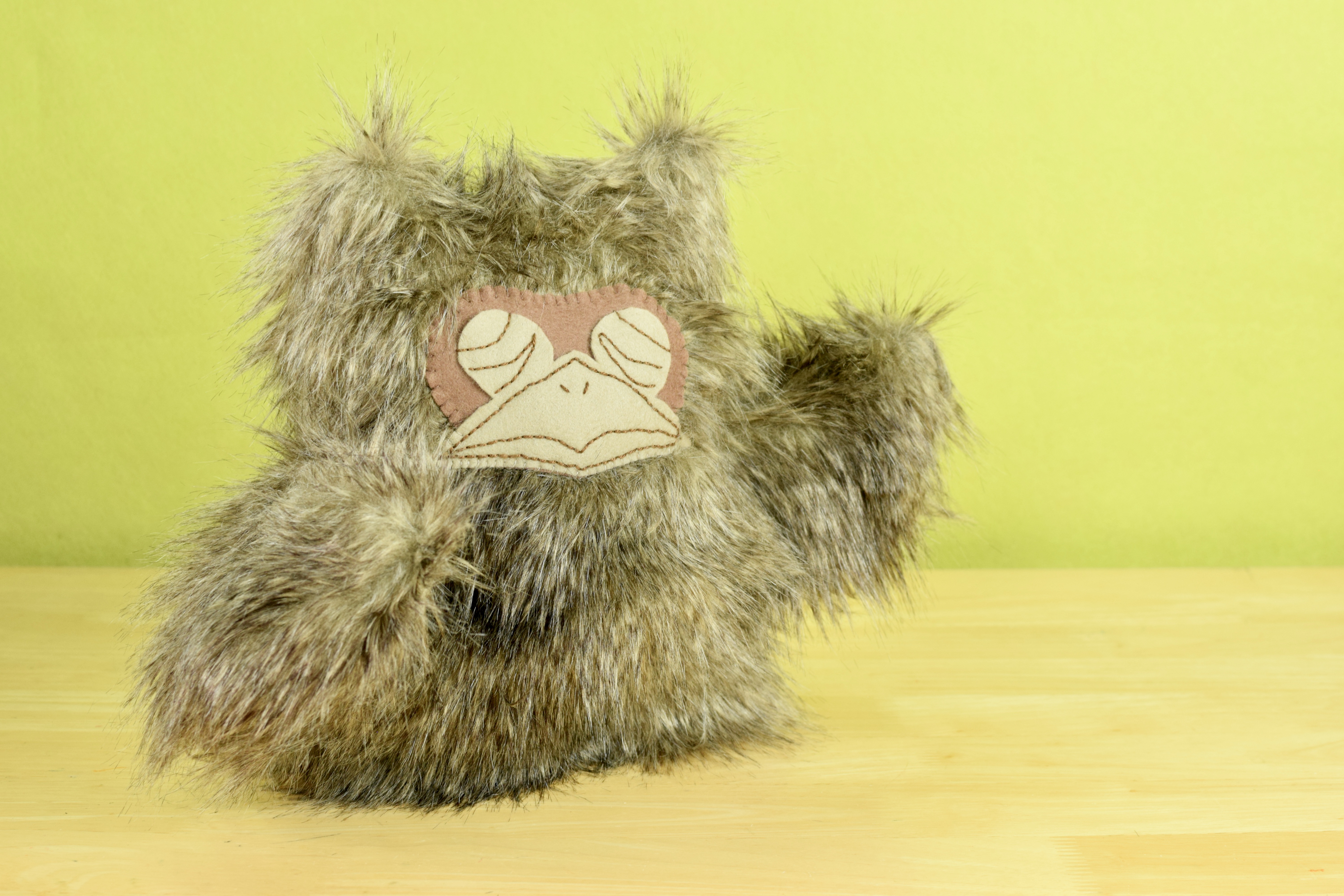
  2. On a similar note, a 2D pattern often allows these fun and fluffy, yet FUSSY, fabrics to shine. Seamlines from a more complicated pattern will often be obscured by the longer fibers anyway, so why create extra work for yourself? The owl above is a 2D pattern with lots of dimension thanks to the fabric.
  3. 2D plush are great for stretchy fabrics. Many Waldorf dollmakers use a full body 2D doll pattern that has no darts at all. The fabric is so stretchy and stuffed so firmly that the doll will look round and full, and they use other techniques to add details like elbows and such. Making a more detailed pattern is actually counter productive if you’re using fabric with true stretch.
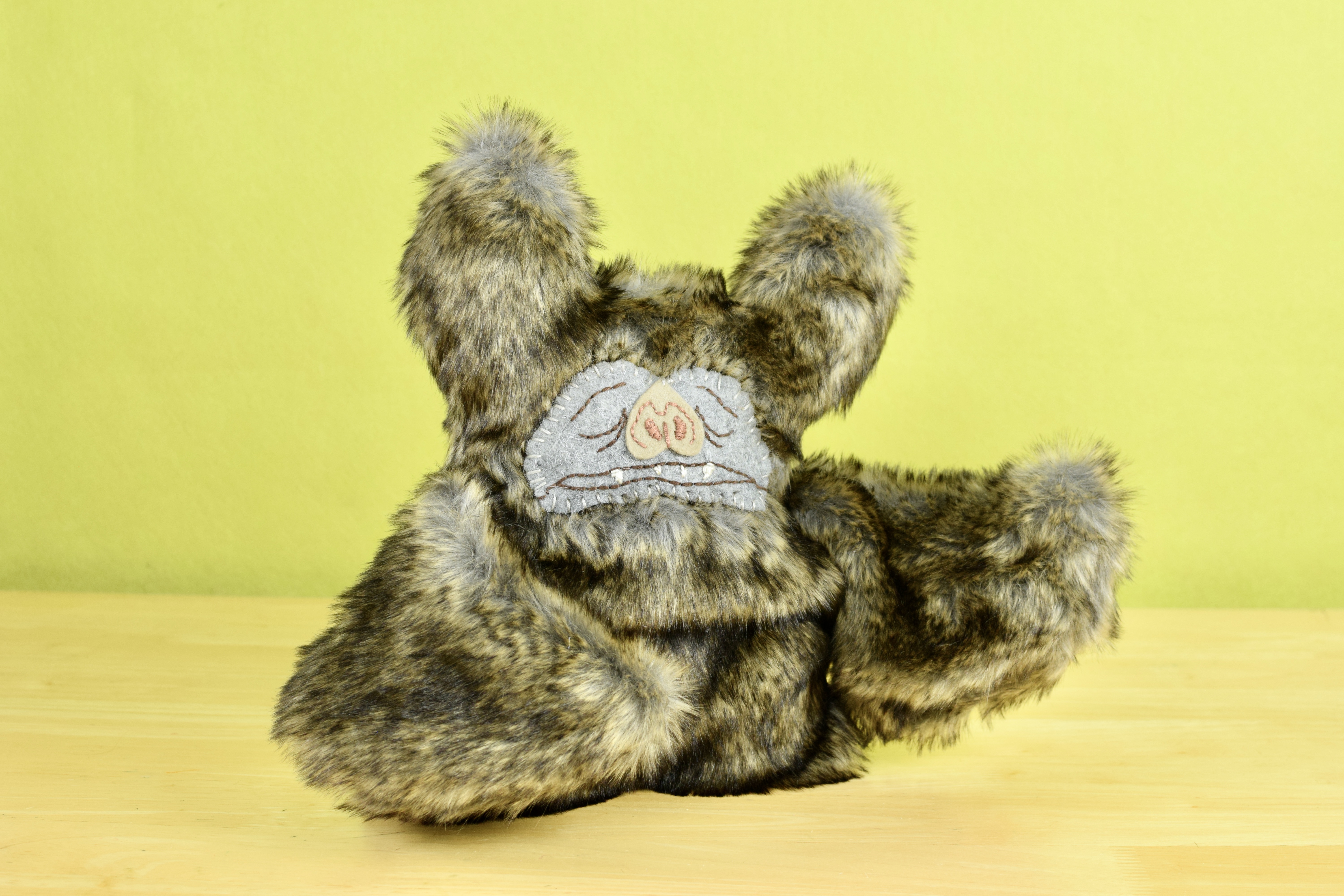
  4. 2D plush are great if you want to weight the plush heavily. This is a similar situation as above in that the extra amount of weight is going to sink down which means that any dimension you create with your seams will not be upheld the way it would with stuffing. The bat and owl shown above are heavily weighted.
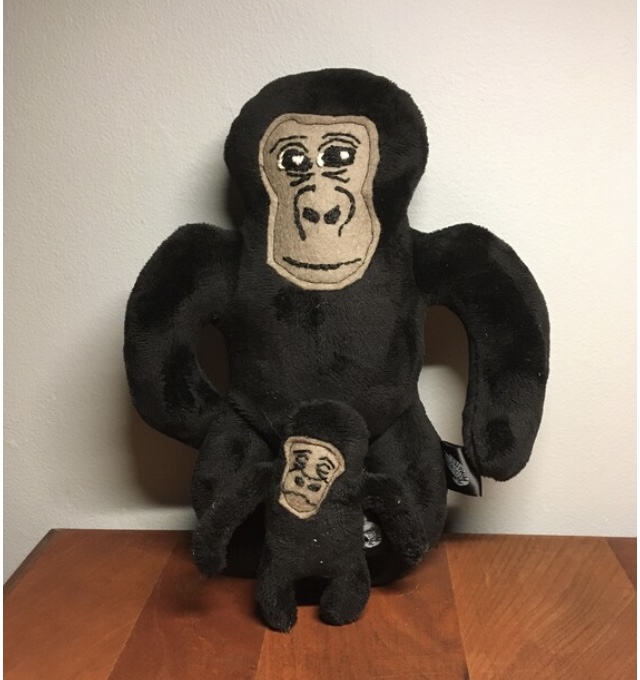
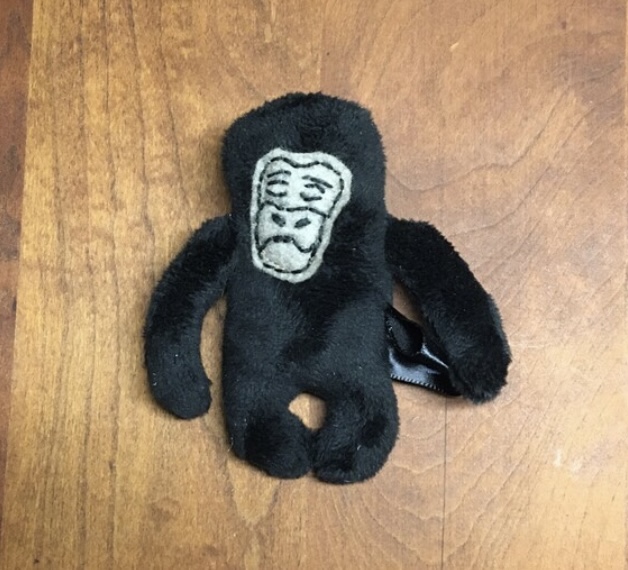
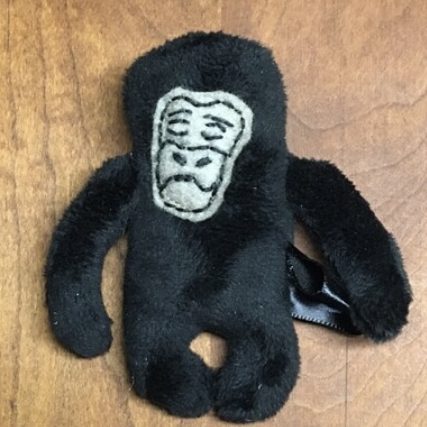
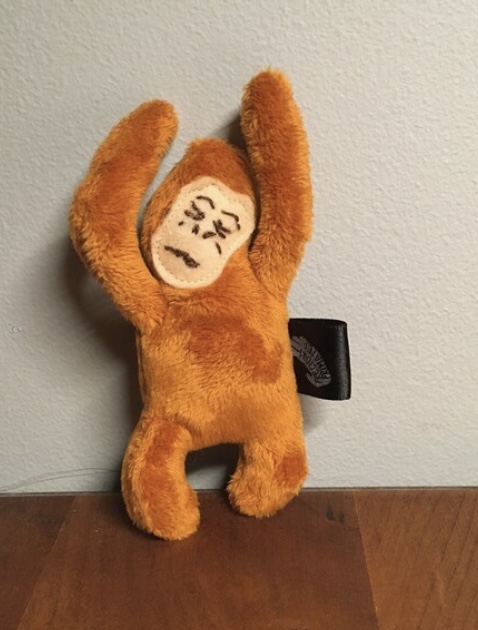
  5. 2D plush is a great choice when you’re making something tiny. The itsy-bitsy ape babies shown below are less than 5″ long. At that scale, you don’t want to be fussing with darts and seams.
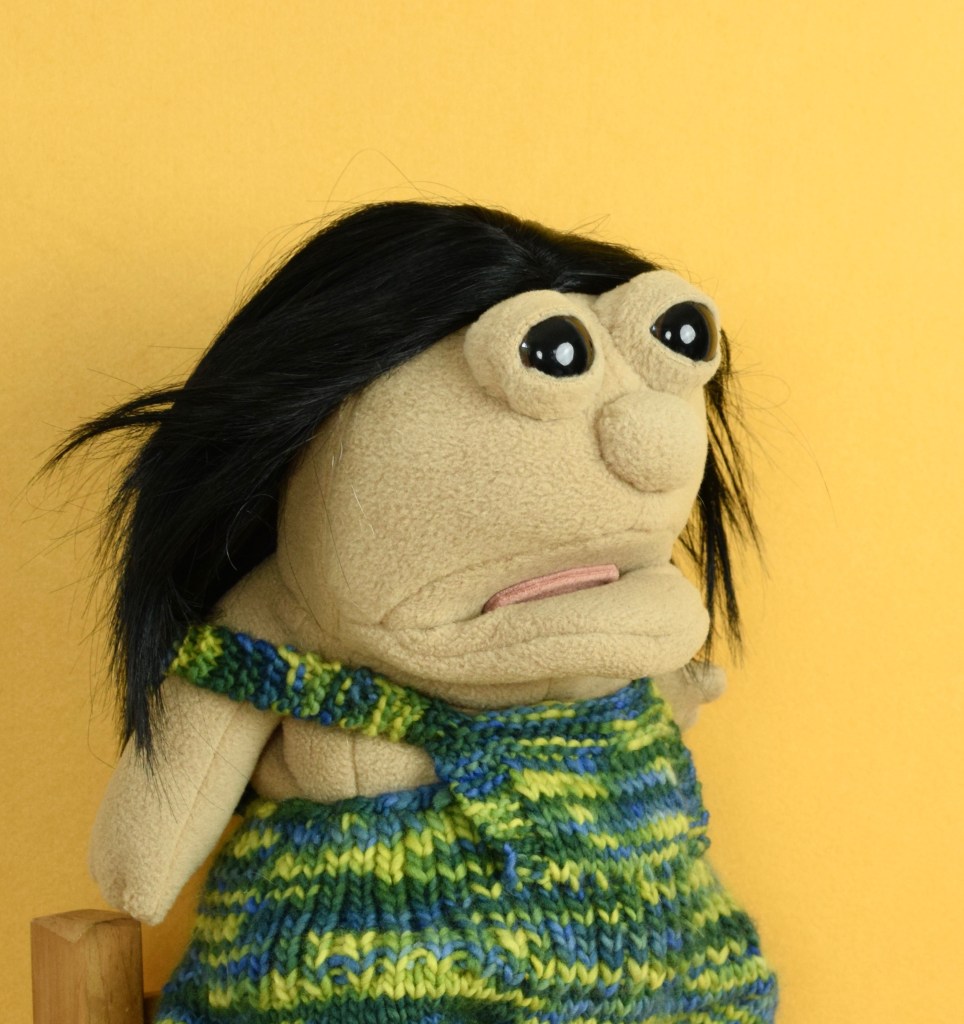
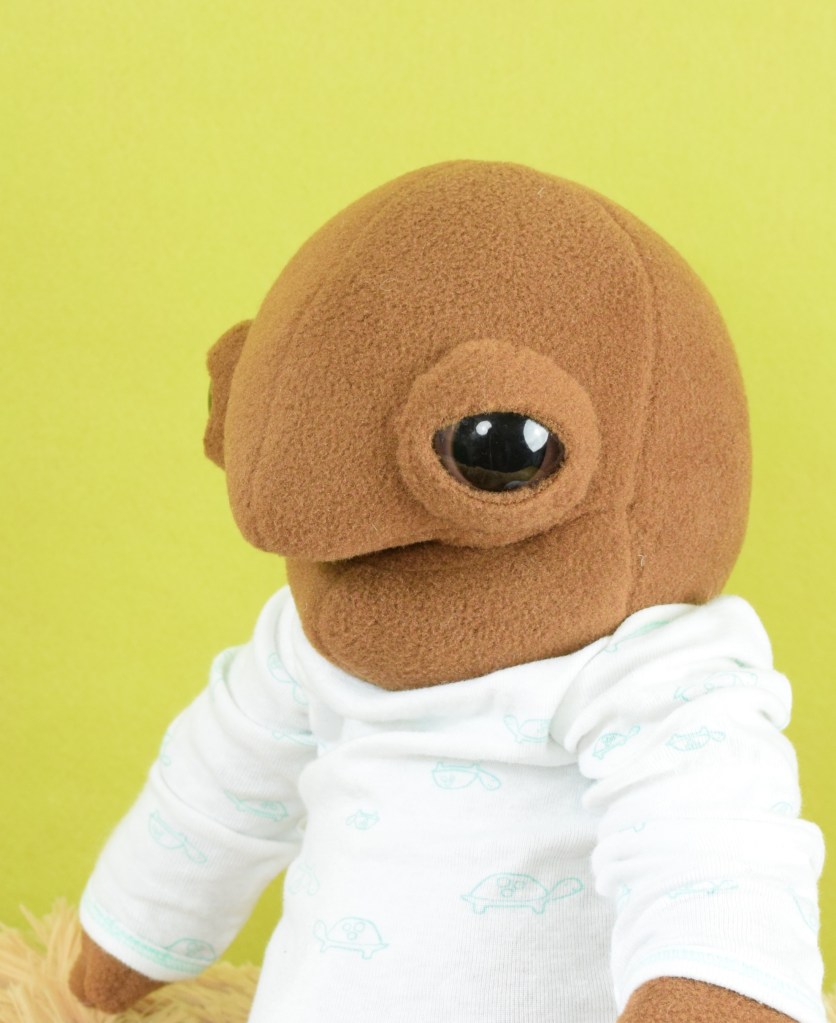
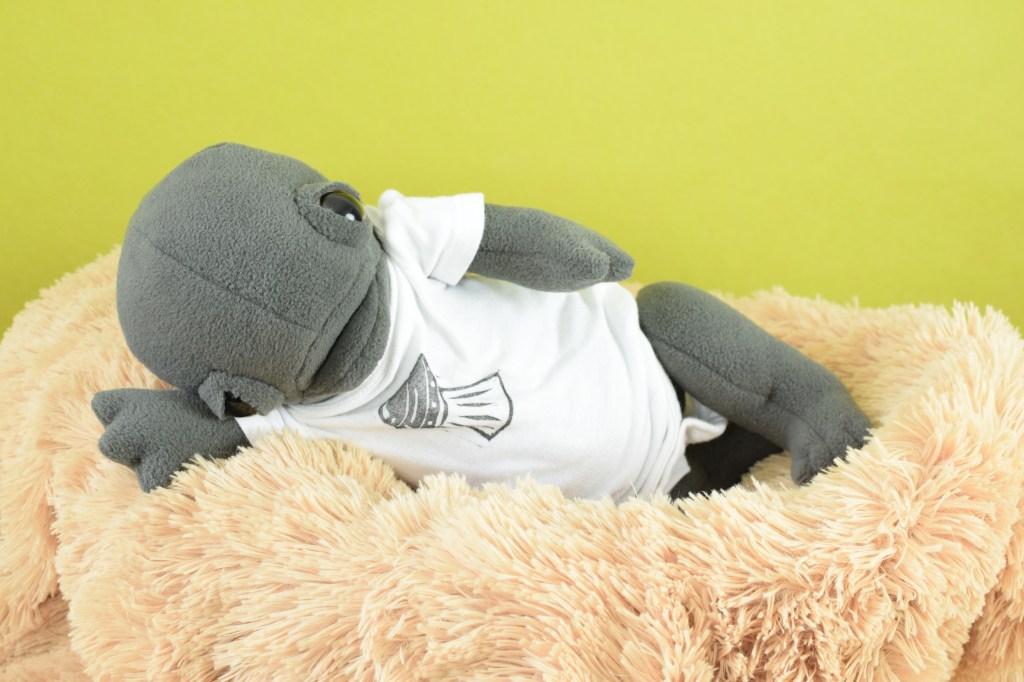
  6. Finally, 2D plush is great if you want to use embroidery, appliqué or other embellishments as the primary feature of your plush. I like usually like to communicate expression and facial and body shape through the patterning itself (3D) but sometimes it’s fun to use the fabric almost as a canvas where you embroider, appliqué fabric pieces or even paint on it. In this case you want a flat surface without extra seams so that you can easily use these techniques, perhaps even in an embroidery hoop, so 2D is perfect. All of the 2D plush pictured in this post have tons of embroidered expression (that is, if you can pardon the poor photo quality).
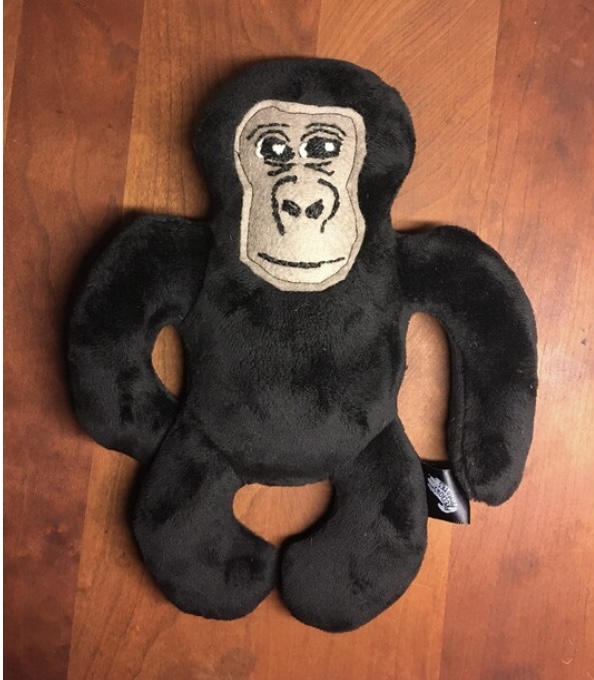
So there you have it: 2D plush has a lot of room for possibility while keeping the pattern-making and machine sewing aspect nice and simple. It also means that you can dive right in as a plush-maker newbie and familiarize yourself with the fundamentals of fabric choice, sewing, and basic patterning. What questions do you have?
Open Mouths for plush toys

Techniques

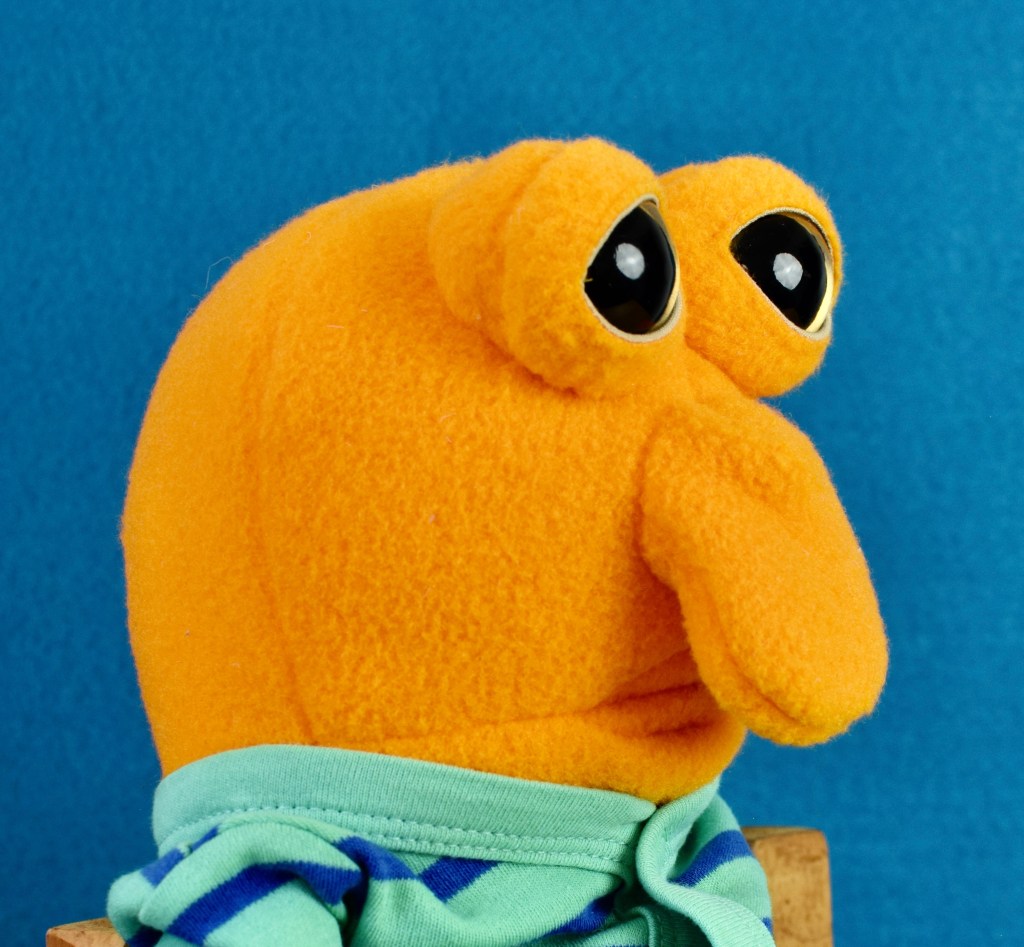
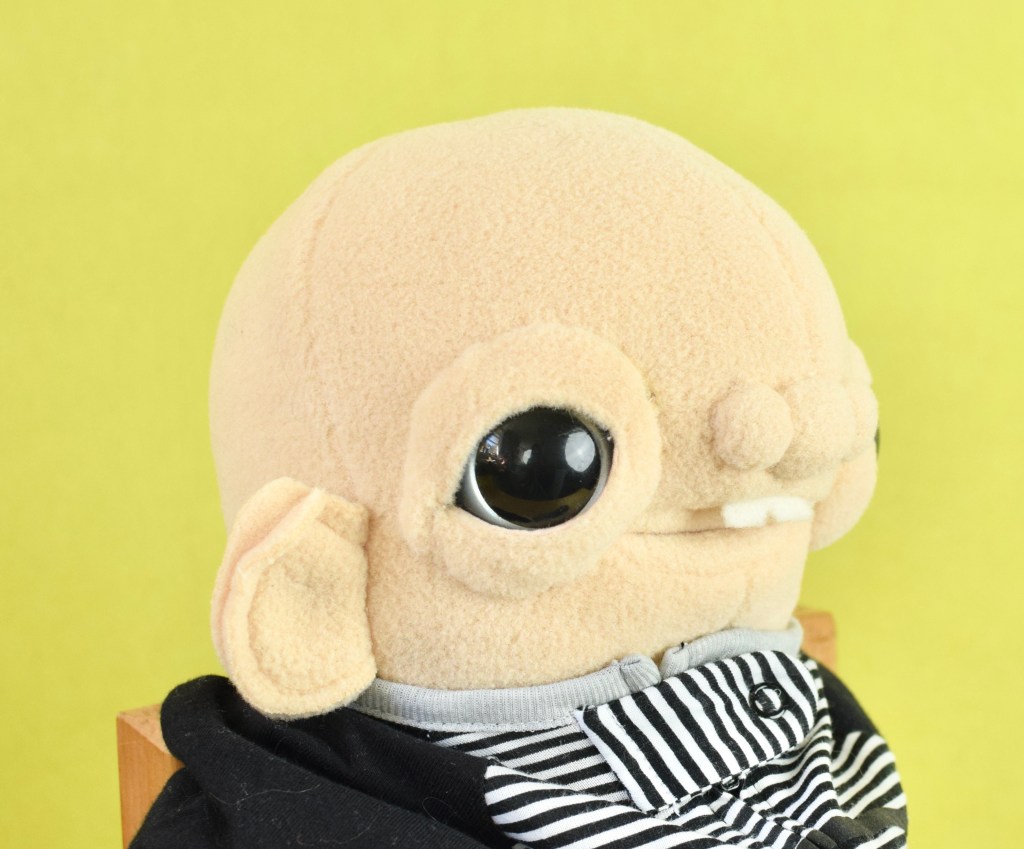
When plush toys have open mouths, it can really add to their personality, expression and play value. You can do an open mouth for a puppet or for a regular doll/plush. You can insert teeth or a tongue and make the mouth smiley or frowny.

There are a few different ways to make open mouth, and I am still refining my process. It does get a bit tricky when working with thicker fabrics, and the mouth lining can tend to pop out or thrust forward once stuffed. You can fix this by sort of tethering the inner mouth to the back neck or somewhere inconspicuous, but I am also working on some other techniques that I think will help with this.

Give this post a like if you would be interested in a more in-depth tutorial about drafting and sewing open mouths!

Mended Hearts

Uncategorized

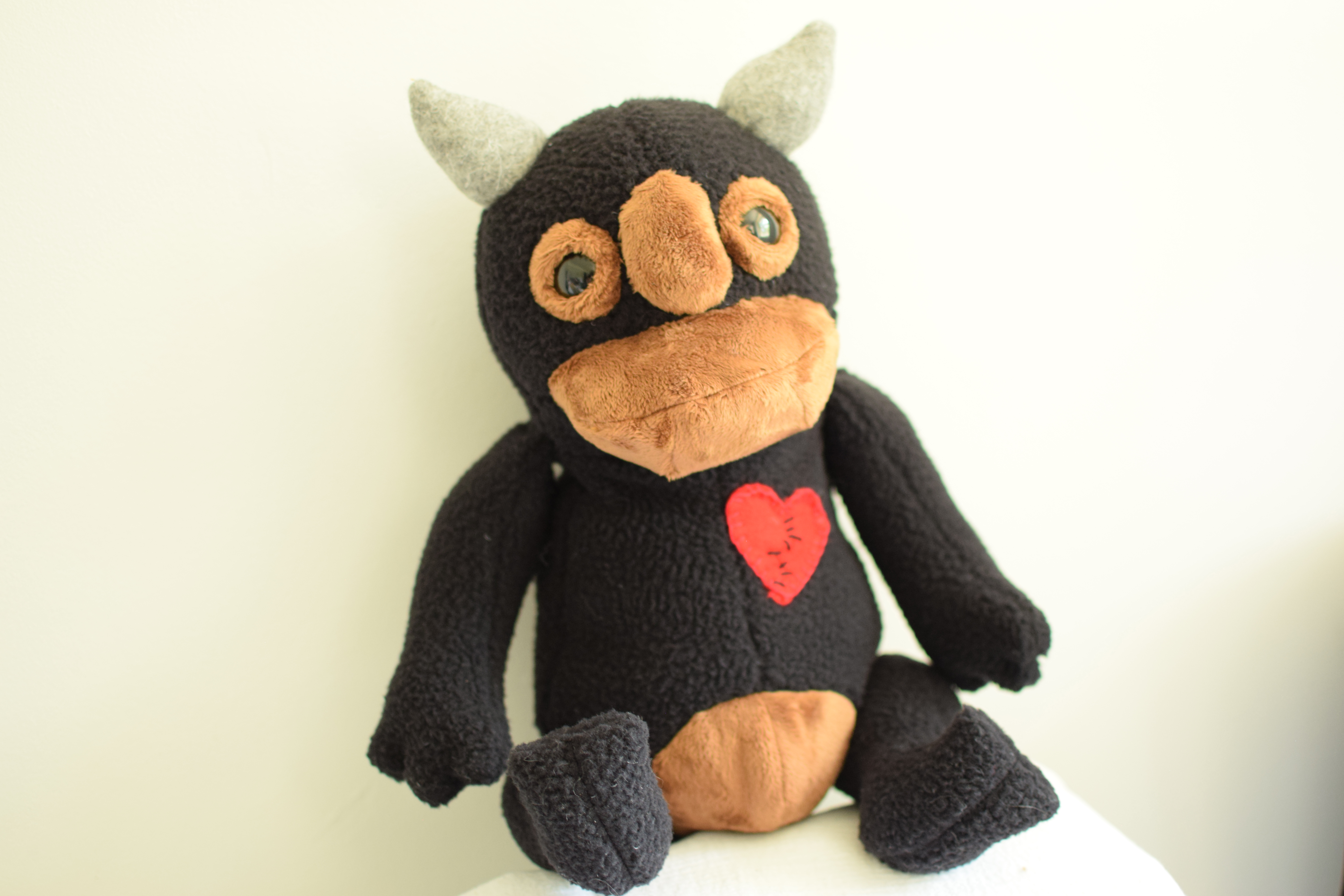
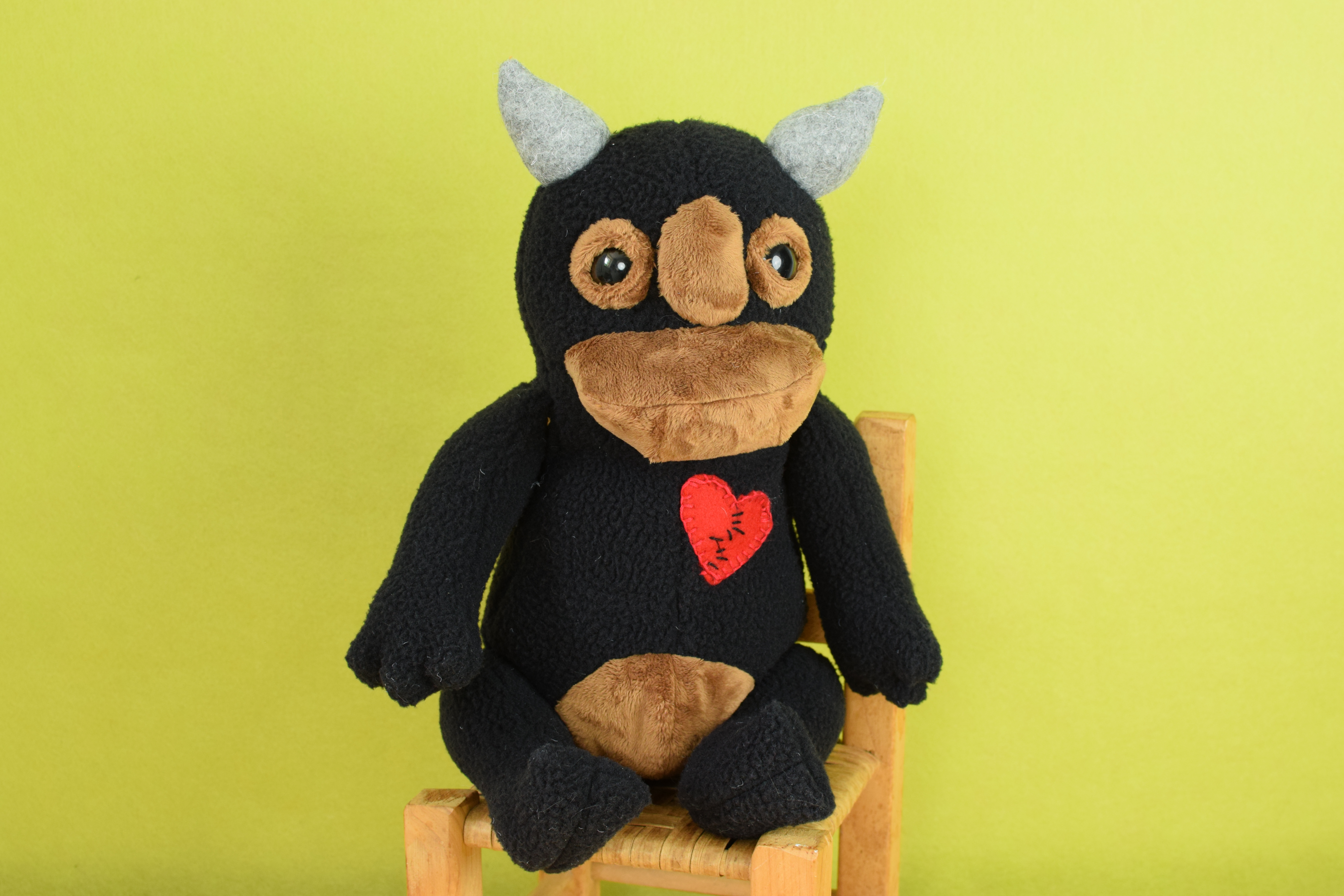
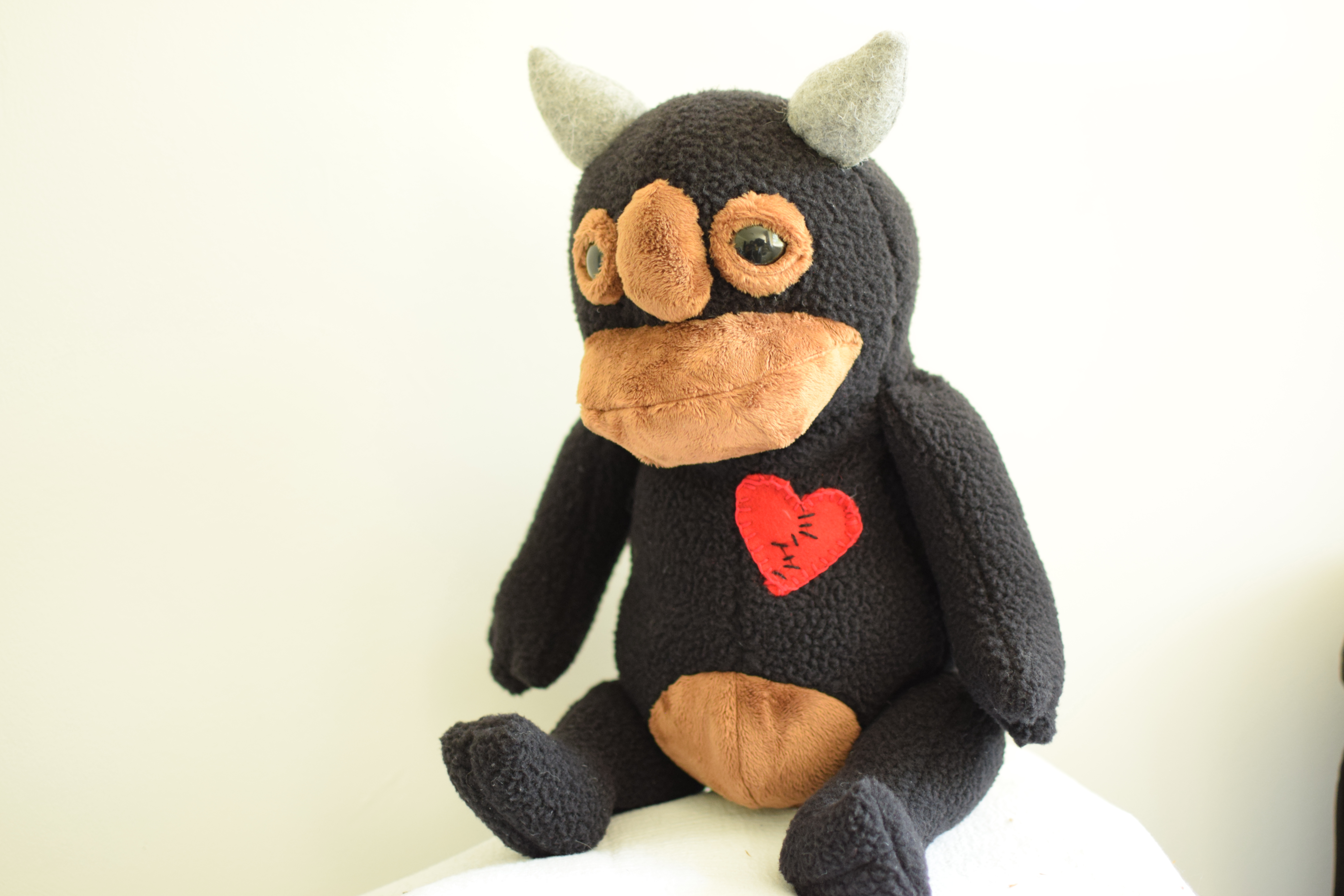
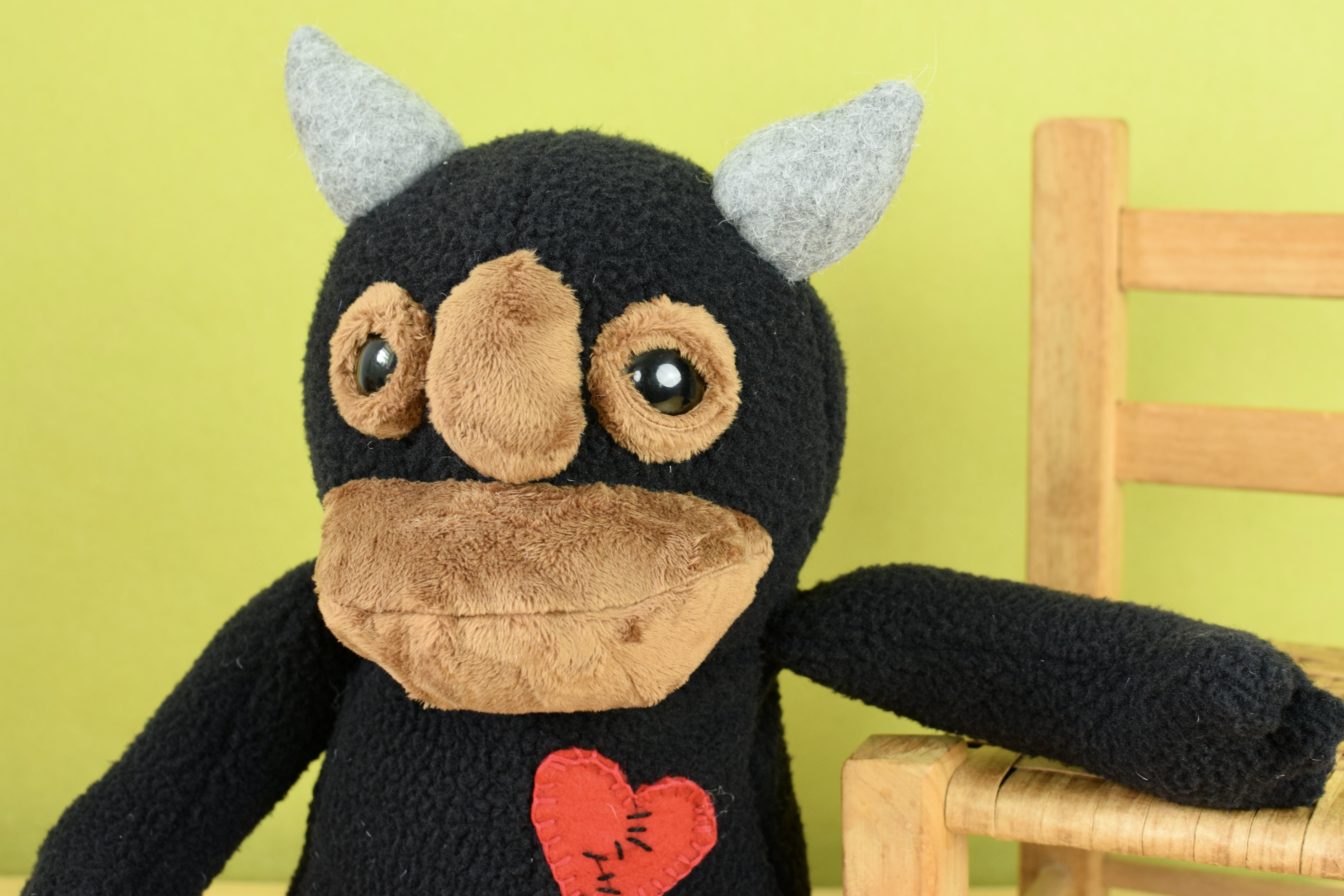
I was working on this monster mouth pattern (really, with the goal of it coming out looking differently, but decided to just move on and make something with it, in the spirit of not having rigid ideas about how things should look and not overworking my dolls). I decided to pair a more textural plush (this black sherpa) with minky and see how it turned out. I couldn’t have predicted at all how it would look, but I loved the result. The horns really tie it together.

I knew I wanted to give it some kind of applique in the upper torso as the piece de la resistance. On a whim, I took a red felt heart that I’d cut out at some point over the past three months and put it on the chest. I loved the way it looked but immediately thought, “No, only a few people would like that. No, people might find that weird.” But I didn’t give up on the idea. Even before my IG polls came back at 100% in support of putting the heart on, I’d decided it was the right choice.

I’ve always loved the idea of heavy-handed emotional symbols, like hearts, on plush. I’m an emotional person and my continuing emotional development and growth is something I take really seriously. I also take mental health of others seriously. I got the idea (not sure if it was before or after I thought of the Velvet Underground song, Sweet Jane, and it’s line, “anyone who ever had a heart/wouldn’t turn around and break it”) to break the heart and stitch it back together–like a friendship necklace.

Neuroplasticity and resilience aren’t necessarily terms you associate with monster plushies, but they’re related. By playing and cuddling with soft toys, we repair wounds. This monster shows us that our heartaches can be repaired, eventually. I call it the Mendy Monster–because his heart is mended–with the scars for all to see. Mendy Monster will be available in my Etsy shop soon–be sure to sign up for my mailing list to be notified when.

Soft toys and dolls for autistic children: design considerations and the question of representation

Soft Toys and Dolls Discussion

Edit, 10/25/19: Since publishing this post, I have been more exposed to actual autistic accounts and, in re-reading this, am aware of my ableist/allistic tone in terms of my assumptions about play needing to be a means to an end (neurotypical-like socializing) and the assumption that the play relates back to meaning-making of social interactions. That is, my daughter and other autistic kids can and will use toys however they wish and we can’t try to understand their play from within a neurotypical framework.

I love soft toys and dolls, so I really looked forward to being able to buy a lot of them for my daughter, and joining her in playing with them. Leading up to my daughter receiving her autism diagnosis, when she was around two, we noticed that she wasn’t really doing pretend play. Since then, she actually has started to do more pretend play with dolls and exhibits some nurturing behaviors with her stuffed animals. She often recites conversations she’s heard during the day with her toys (this is echolalia). She has also been handing us the monkey puppet and saying, “my turn with the monkey” which translates to, “I want you to use the monkey” [to interact with whatever toy she’s holding].

Although she still doesn’t engage with baby dolls or soft toys exactly the same way other kids her age might, I believe that they play an important role for her. In fact, I think they may even be more important to her social development than they would be to a neurotypical kid; they provide a safe and neutral way for her to make sense of the communication she’s trying to figure out in her every day life. She needs this extra “practice” with reciprocity and interaction. I, of course, am always ready to join her and have tried to see it the way she does rather than through my old ideas about play.

I recently found myself thinking about soft toys and neurodiverse children. For my daughter, as mentioned above, they have emerging importance and usefulness in practicing or rehearsing communication exchanges. I also think they have sensory value. I think she finds it reassuring to carry around different toys, especially if they can be easily held with one hand. I also think she enjoys the soft feel, but she doesn’t seem partial to certain types of fabric. I do notice that she seems to enjoy those with limbs that are easy to fling around. 

What would a soft toy designer want to keep in mind if designing for autistic children or adults? I have tried researching the topic and surprisingly little has come up.  One mother found an Ask Amy doll for her daughter which, while pretty standard in appearance, is an interactive doll and helped her daughter learn a lot of new skills. This, of course, is not a soft toy at all.  The appearance and feel of the doll took a back seat to its technological offerings.  There’s Lulladoll which isn’t that interesting in terms of design, but it mimics a heart beat and can be soothing for many children.  This Lottie Doll comes with glasses and headphones to help with overwhelming sensory stimuli. The inspiration for this doll was “a little boy with a passion for all things space-related, who just happens to be autistic.” And there is the soft doll version of the Sesame Street character Julia who is autistic. In this case, the connection to autism is really just limited to the character and autism doesn’t appear to have been a consideration in the design (read this review –I concur with the author’s opinion).

Otherwise, when you search for autism doll, you often get an American Girl-looking doll with clothing that’s made of puzzle piece fabric. If you haven’t already picked up on this, the presence of autism in the doll making and soft toy world seems limited to: 1) a very literal representation of (one) autistic child, 2) a toy that has high sensory value–almost like a baby toy– which sort of takes away from its identity as a doll, 3) something that’s almost like a robot, or 4) a doll covered in puzzle piece fabric. As expected, companies seem interested in claiming that they have something to offer autistic kids, but the results are disappointing to me. The Lottie Doll seems successful, but only for kids who happen to identify with the one individual it was inspired by.

The Lottie Doll example leads us to the crux of the issue: if autism is a spectrum–nay, a three-dimensional color wheel–where each child has a unique constellation of preferences and characteristics, can you design “for” them? Even more so than other disabilities, autism is difficult to identify by particular features or characteristics that can translate to certain accessories or looks (e.g. deaf children with a hearing aid or cochlear implant). Besides, even with a disability that is associated with specific physical features, it isn’t necessarily that simple. There was a really interesting conversation in one of the doll making groups that I’m part of regarding the making of a cloth baby doll with Down Syndrome. One dollmaker said that she focused on customizing the dolls to have accessories or features that the children (recipients) themselves felt made them different–for example, thick glasses, surgery scars. She did not focus on giving them shorter necks or different eye shapes. She pointed out that those features are what others think of as being noticeable about the child with Down Syndrome, but not necessarily what feels representative to the child. She also mentioned changing certain things about the construction of the doll and their clothing to make them easier to handle for the children but also with different opportunities to develop motor skills (e.g. large buttons rather than Velcro).  This really comes down to a bigger discussion about representation and inclusivity. This is where the independent, handmade market really can meet the needs of (at least some) children in a way that the commercial industry cannot.

As for the sensory features, sizing, fabric choices and other functions of the doll, I wonder if that’s also too dependent on the individual’s preference or if there are general features that would be appealing to most autistic children and adults? Some might love a really soft and silky feeling material like minky, while for others that may be overwhelming. Some might like a heavily weighted doll. Some might like a bright, colorful, detailed face and others might like something more minimalist. Personally, I have my own extremely specific preferences when it comes to the design, expression, proportions and fabric choice of soft dolls and toys, which is why I started making them myself.

When considering designing for the neuro-diverse, taken-for-granted perspectives on play are up for debate. For example, Waldorf/Steiner-style dollmaking is all about a simple, almost blank face because they believe this encourages the child to come up with their own ideas about how the doll feels and to develop empathy and imagination. But, if the child already struggles with reading facial expressions and with pretend play, does this still hold true? Is a highly expressive, cartoony commercial doll actually better than a simple doll? The answer is likely not straightforward, but it’s an interesting question to consider.

Perhaps I’ve already made it too complicated. This article is about a young adult with autism who carries his stuffed bear everywhere as a comfort object. In this case, the value of the bear probably has little to do with its design. It’s just a simple, classic plush friend: easy to form an attachment do, inherently comforting and with great power to help cope with daily stressors, simply because it is a soft toy.